HMI
Overview
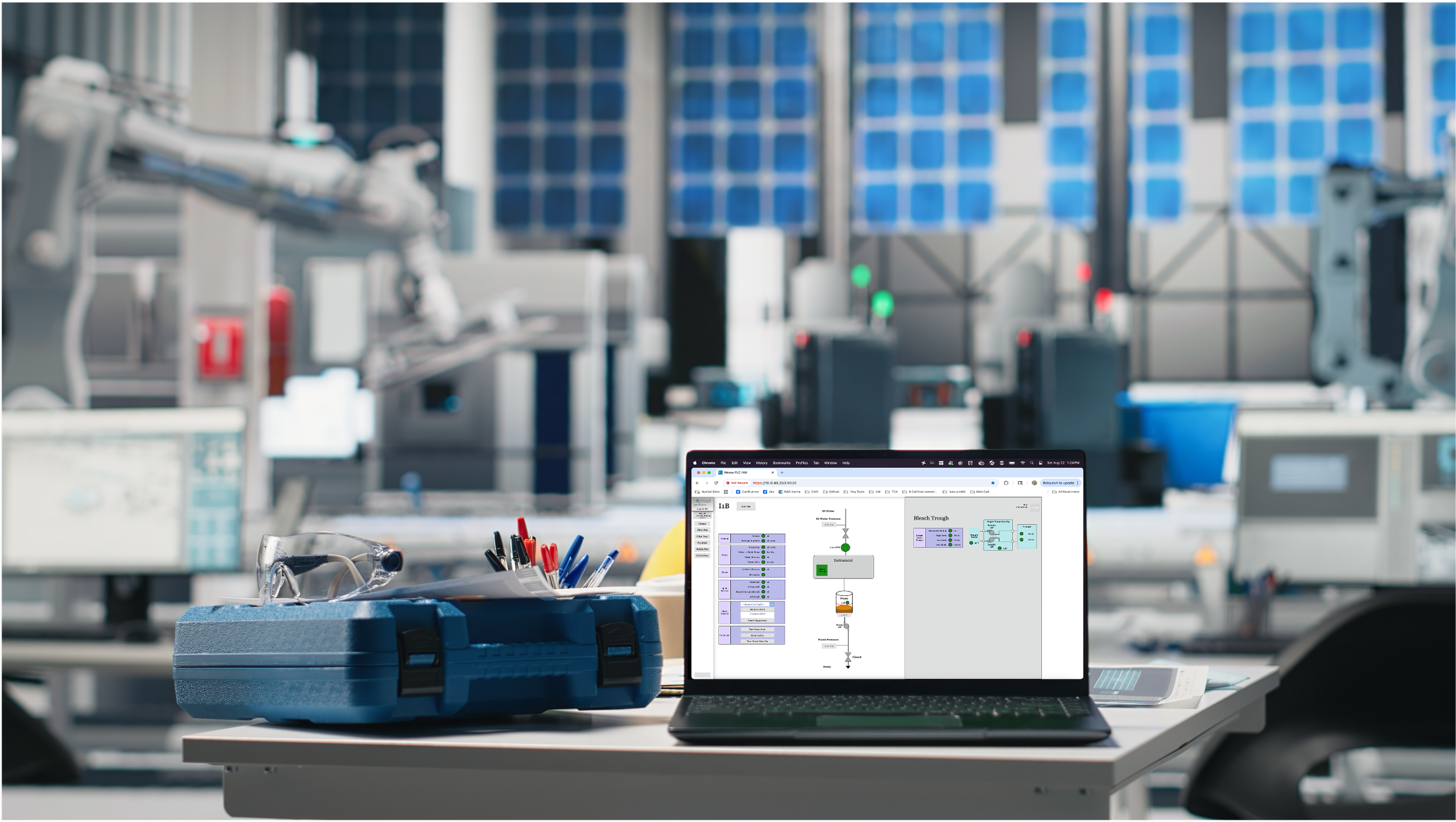
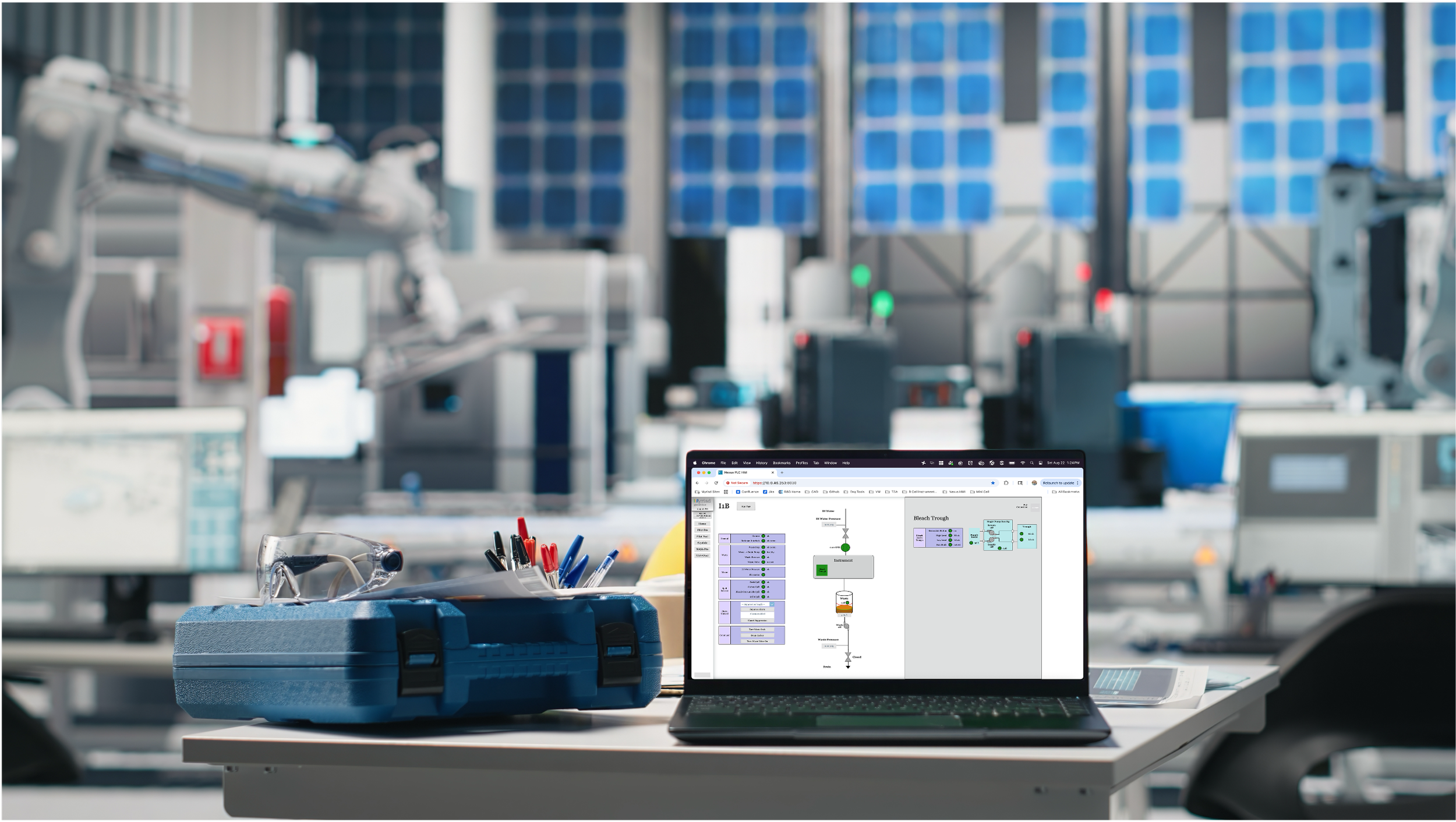
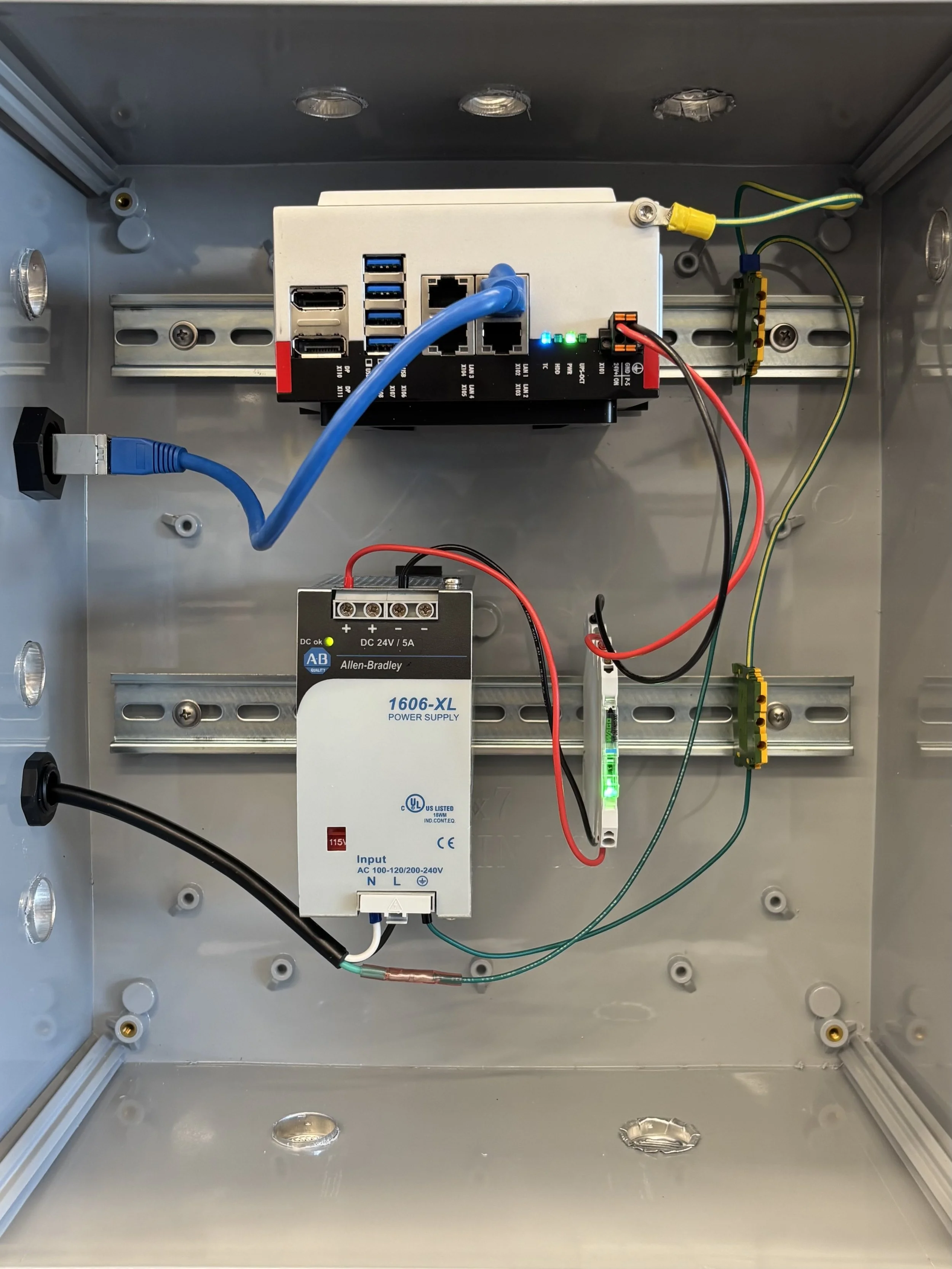
Launched HMI pages for 50 instruments and work cells across 3 labs, giving a comprehensive view of all PLC functions on site. Iterated HMI UI design, collaborating with primary users (support engineers) to integrate core functionalities and improve usability. Built out HMI server including server selection, wiring, networking and software integration. Designed custom HMI pages and user controls in Beckhoff TwinCAT environment, including templates and semi-automated page generation with variable linking for future deployment. Delivered HMIs improved problem identification, troubleshooting speed, and increased instrument health visibility for X# users.
The FLOW is the revolutionary device designed to build more environmentally and financially sustainable period care habits without sacrificing hygiene. The first of its kind, the FLOW combines rotation and UV light to respectively clean and sanitize any menstrual cup. When cared for properly, one menstrual cup can last for ten years. The FLOW eliminates the barriers of messiness, concern of introducing bacteria to the body, and fear of stigma that keep menstruators from making the switch to menstrual cups. By pairing their menstrual cup with the FLOW, one person can eliminate more than 13,000 single-use products like tampons and pads and save thousands of dollars in their lifetime!
Role
Hardware Automation Engineer
Project Lead
Timeline
8 months
Tools + Skills
Software: Beckhoff TwinCAT
Hardware: Server, Wiring
Engineering: Networking, UI/UX design, BOM, Wiring diagram, HMI project templates
Communication: Design Journal, Troubleshooting Guide, Cross team collaboration

HMIs
What are they and why do we use them. setting the screen/stage. providing context
What is an HMI?
Our team began by studying what period care products were currently available to menstruators and the environmental + financial costs associated with each of them.
(images)
Where are they used in the lab?
Our team began by studying what period care products were currently available to menstruators and the environmental + financial costs associated with each of them.
(images)
HMI Hardware
Server Selection + Wiring
Server Selection
what is it
why was it chosen
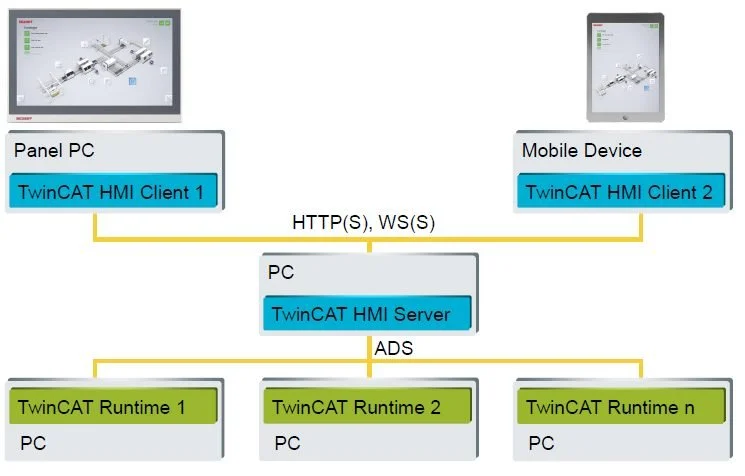
Server Architecture
how does it work
what is the other hardware
Hardware + Wiring
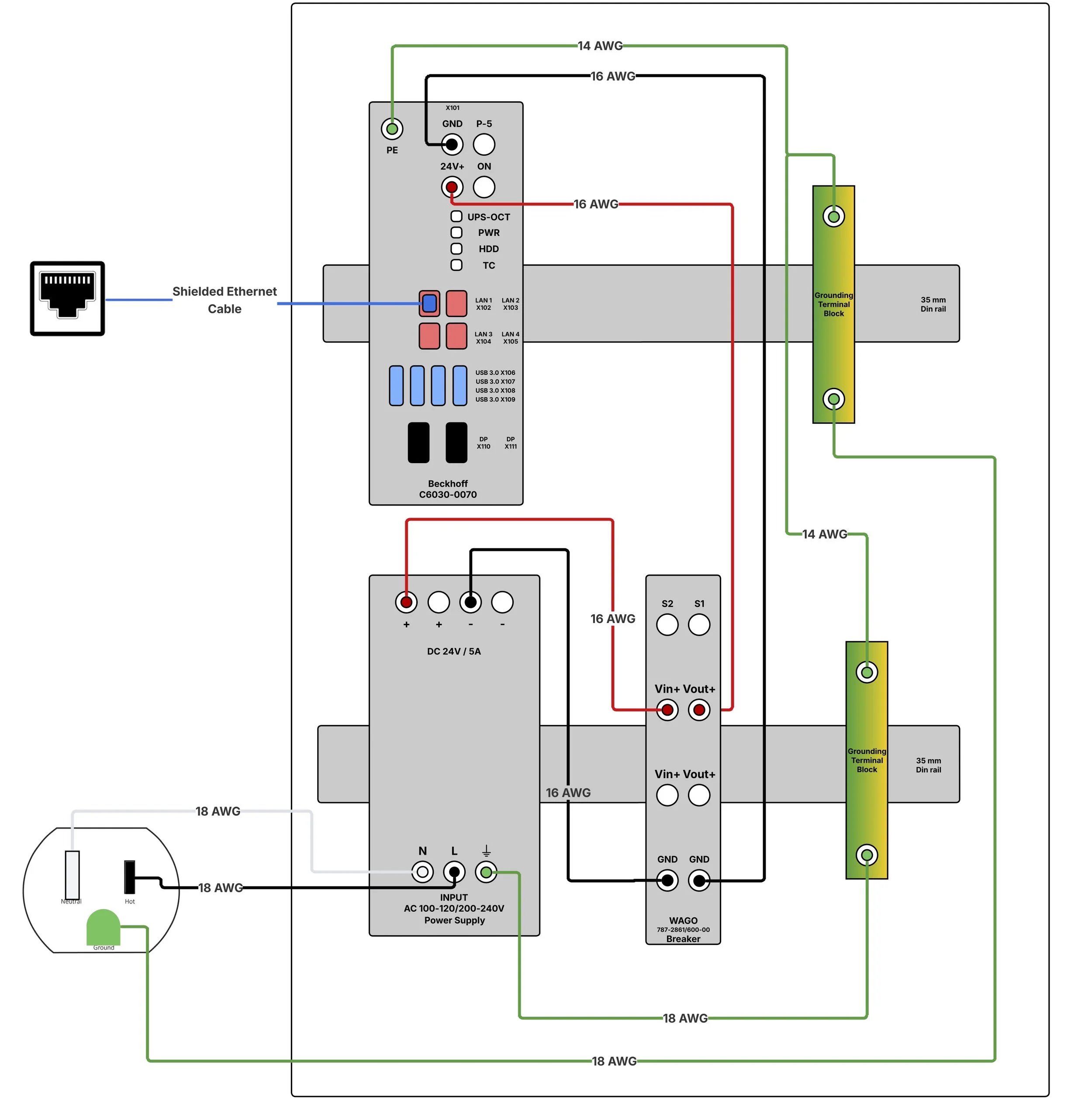
Control box
wiring components and explanation
HMI Software
TwinCAT Environment
Software
beckhoff twincat
gui

TwinCAT Elements
what makes a page: building blocks
types of custom tools i designed to create the pages
Design
elements, pages, page navigation, process, automation
Iteration
For our competitor analysis, our team focused on the commercially available solutions, but still kept patented designs in mind. Two important terms we used in our analysis were clean and sanitize: clean meaning rid the cup’s surface of blood, tissue, and physical remnants of the period cycle, and sanitize meaning rid the cup of any pathogens. Combined with other metrics, we built a picture of the current menstrual cup cleaning landscape.

Note: Most of these products are purchased wholesale and then branded i.e. similar products are sold by different names.
Deliverables
myriad benefits + personal learnings
Ideation
We began to brainstorm design solutions keeping in mind our goals and definitions:
Sanitize - Rid the cup of any pathogens.
Clean - Rid the cup’s surface of blood, tissue, and physical remnants of the period cycle.
By building a design that both cleans and sanitizes, we can address users’ biggest pain points: messiness, health concerns, possible stigma, and wasted time.
Final design
design gallery

FLOW V3- The user fills their FLOW with water, then attaches their cup to the clip. Next the user turns the lid clockwise to wind up the rotation mechanism and presses the release button to spin the cup within the body for the wash + dry cycles. The UV light circuit is housed in the base; when the users turns on the light, it stays on for a 60 second cycle.

FLOW V3- The user fills their FLOW with water, then attaches their cup to the clip. Next the user turns the lid clockwise to wind up the rotation mechanism and presses the release button to spin the cup within the body for the wash + dry cycles. The UV light circuit is housed in the base; when the users turns on the light, it stays on for a 60 second cycle.

FLOW V3- The user fills their FLOW with water, then attaches their cup to the clip. Next the user turns the lid clockwise to wind up the rotation mechanism and presses the release button to spin the cup within the body for the wash + dry cycles. The UV light circuit is housed in the base; when the users turns on the light, it stays on for a 60 second cycle.

FLOW V3- The user fills their FLOW with water, then attaches their cup to the clip. Next the user turns the lid clockwise to wind up the rotation mechanism and presses the release button to spin the cup within the body for the wash + dry cycles. The UV light circuit is housed in the base; when the users turns on the light, it stays on for a 60 second cycle.

FLOW V3- The user fills their FLOW with water, then attaches their cup to the clip. Next the user turns the lid clockwise to wind up the rotation mechanism and presses the release button to spin the cup within the body for the wash + dry cycles. The UV light circuit is housed in the base; when the users turns on the light, it stays on for a 60 second cycle.